

Landing pages are the heart of any online marketing campaign. They help turn visitors into leads and customers. But not every landing page works well right away. That’s why landing page optimization is so important. By making smart changes and using the right tools, you can boost your conversion rates and get better results from your marketing efforts.
Today, there are many tools designed to help improve landing pages. These tools offer features like user behavior tracking, A/B testing, real-time analytics, and mobile optimization. With their help, you can find out what works best for your audience and make changes that bring real results.
In this guide, we will explore nine of the best landing page optimization tools. Each one offers unique features to help you improve performance and get more from your online traffic. Whether you are new to landing pages or looking to refine your current strategy, these tools can make a big difference.
6 Key Features To Look for in Landing Page Optimization Tools
Choosing the right landing page optimization tool is very important. The best tools offer features that help you understand your visitors and improve your page performance. Here are six key features you should always look for when picking a tool.
1. Delivers Comprehensive Insights
Good tools give you deep insights into how your landing page is performing. They track things like visitor clicks, scrolls, and time spent on the page. This helps you see what parts of your page are working and what parts need fixing. With detailed reports, you can make smart decisions based on real facts, not guesses. These insights are the first step in boosting your conversions.
2. Supports Mobile Optimization
Today, many people browse the web using their phones. That’s why your landing page must look and work great on mobile devices. The right tool will help you create mobile-friendly pages easily. It will also let you test how your page looks on different screen sizes. A page that loads fast and fits well on phones will keep users happy and improve your chances of turning them into customers.
3. A/B Split Testing Capabilities
A/B testing is a powerful way to find out what works best on your landing page. The best tools let you create different versions of your page and test them with real users. You can try out changes in headlines, colors, buttons, or images. By comparing the results, you can pick the version that gets the most conversions. Regular testing keeps your page fresh and effective.
4. Offers Real-Time Data and Analytics
Real-time data is very helpful when you want to track your page’s performance quickly. Tools that offer real-time analytics show you how users interact with your page right now. This helps you spot problems early and make fast changes. You don’t have to wait for reports to know if something is working or not. This speed can give you an edge over competitors.
5. Has a User-Centric Interface Design
A tool should be easy to use, even if you are not a tech expert. Look for tools with simple dashboards, clear instructions, and drag-and-drop features. A user-friendly interface saves you time and reduces mistakes. It also makes it easier to try new ideas and updates without stress. When the tool is easy to use, you can focus more on improving your landing page.
6. Seamlessly Integrates With Existing Tools
Your landing page tool should work well with other tools you already use. It should connect easily with your email marketing software, CRM, and analytics platforms. This smooth integration lets you collect and share data across your marketing tools. It also helps you run campaigns more efficiently without extra work. When everything works together, you get better results with less hassle.
9 Must-Have Tools for Optimizing Your Landing Page
Choosing the right tools can make or break your landing page success. The best landing page optimization tools help you create better designs, test ideas, and understand visitor behavior. Here are nine powerful tools that can help you boost your landing page conversions.
1. Unbounce
Pricing: Starts at $74/mo
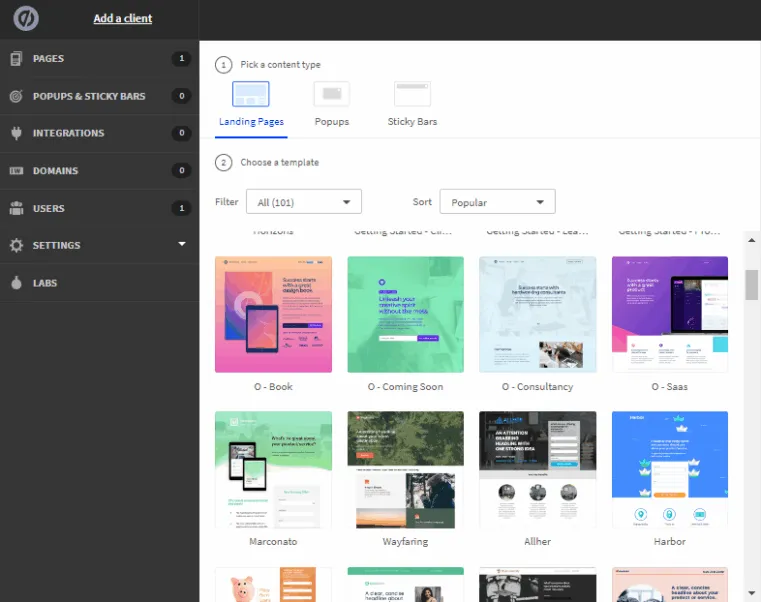
Unbounce is one of the most popular landing page builders today. It is known for its simple drag-and-drop editor that lets you create professional-looking pages without coding. One of its standout features is Smart Traffic, an AI-powered tool that automatically directs visitors to the version of your page that is most likely to convert. Unbounce also offers A/B testing, mobile optimization, and dynamic text replacement, making it ideal for PPC campaigns. If you want to quickly build and test landing pages with powerful conversion tools, Unbounce is a solid choice.
2. Instapage
Pricing: Starts at $99/mo
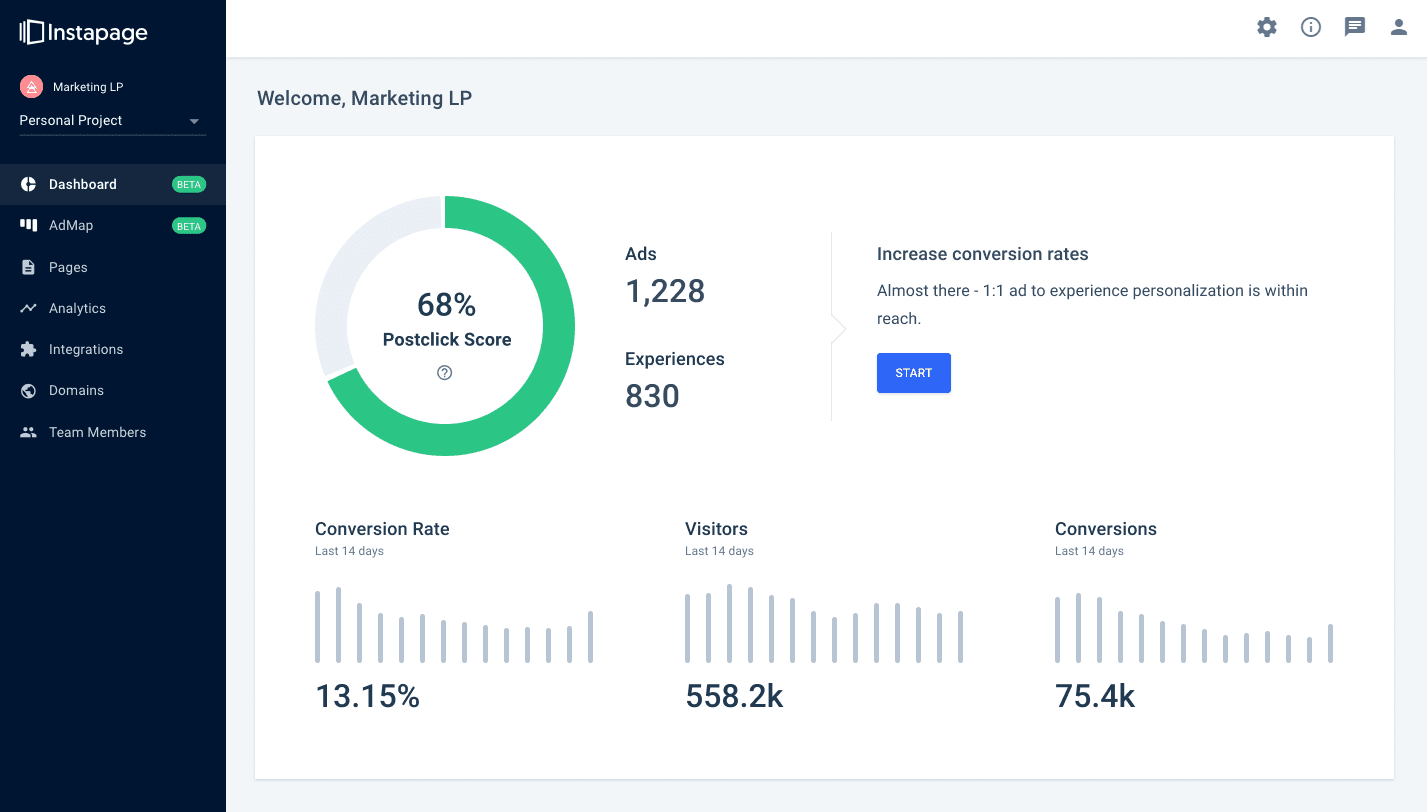
Instapage is another top-rated tool built for marketers who want to create high-converting landing pages with ease. It offers a powerful editor with over 500 layouts, so you can find a template that suits your needs. One unique feature is its heatmaps, which show you where users are clicking and scrolling on your page. Instapage also supports A/B testing, real-time analytics, and seamless integrations with popular CRMs and email marketing tools. Its fast loading times and AMP (Accelerated Mobile Pages) support help ensure great mobile performance. With its focus on personalization and collaboration, Instapage is perfect for both small businesses and large teams.
3. Leadpages
Pricing: Starts at $49/mo
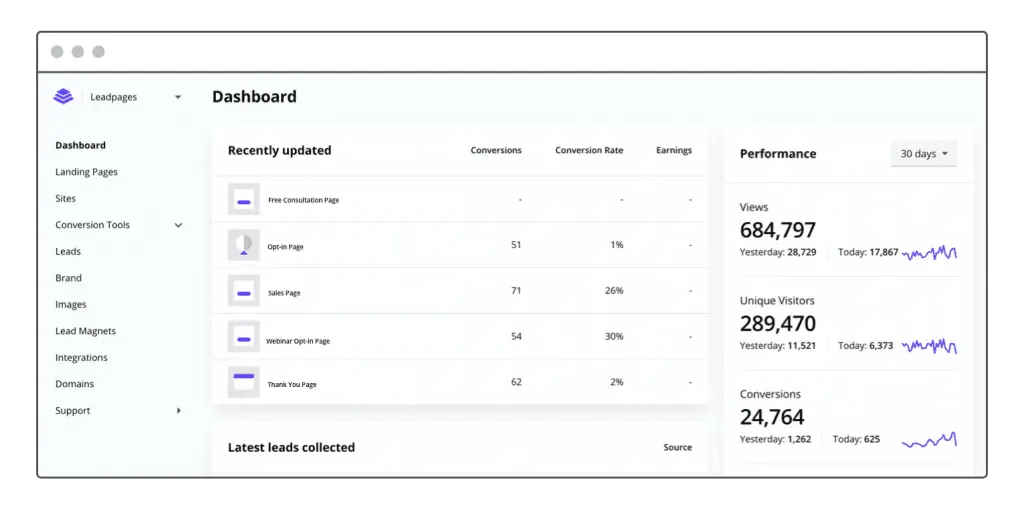
Leadpages is designed for small businesses and entrepreneurs who want to generate leads and sales without a large budget. It offers an easy-to-use builder, hundreds of templates, and built-in conversion tools. One of its strengths is Leadmeter, a feature that predicts how well your page will perform based on best practices. Leadpages also offers unlimited A/B testing on its advanced plans, along with mobile-responsive design and fast page load speeds. It integrates smoothly with email tools, payment processors, and CRMs, making it a versatile solution for growing businesses.
4. Optimizely
Pricing: Offers custom pricing
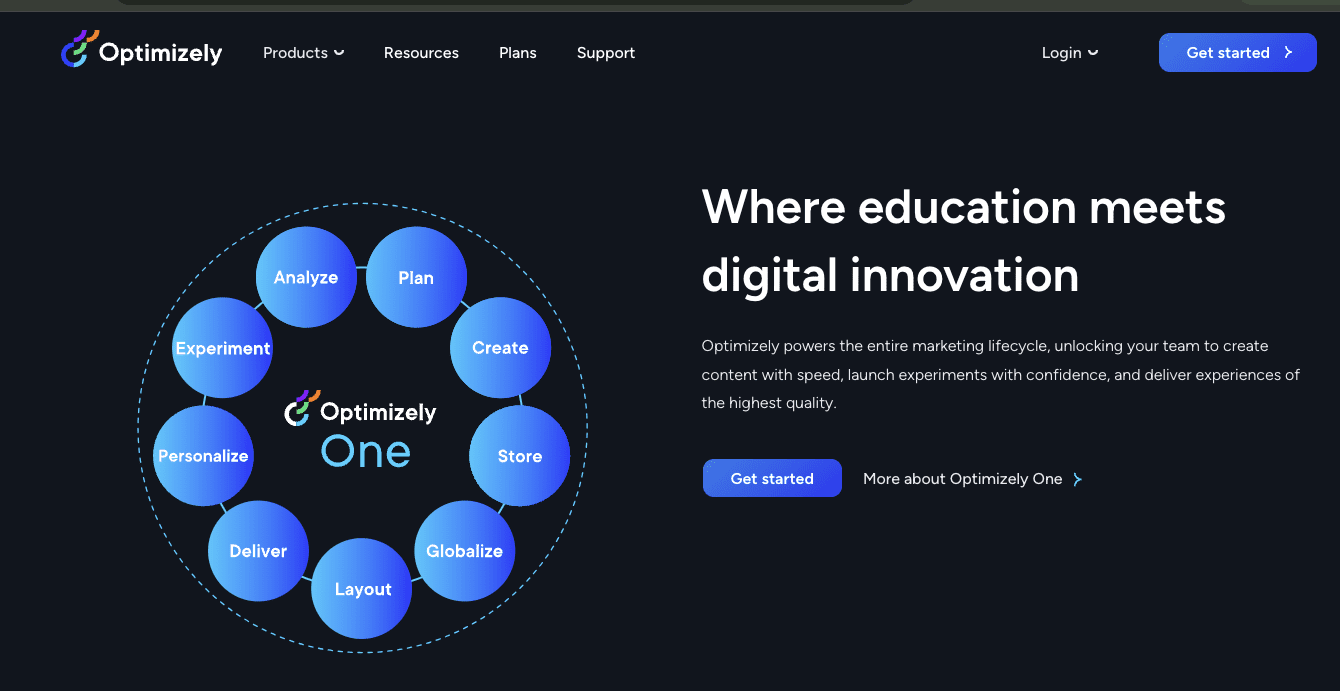
Optimizely is a powerful experimentation platform for businesses that want to test and improve every part of their digital experience. Unlike basic landing page tools, Optimizely offers advanced A/B testing, multivariate testing, and personalization options. You can test different headlines, images, and layouts to see what works best for your audience. It also offers server-side testing, allowing larger teams to run experiments on complex websites and apps. Optimizely’s real-time analytics help you track performance and make data-driven decisions quickly. If you are serious about continuous testing and optimization, Optimizely is a tool to consider.
5. Hotjar
Pricing: Free plan available; premium options start at $39/month
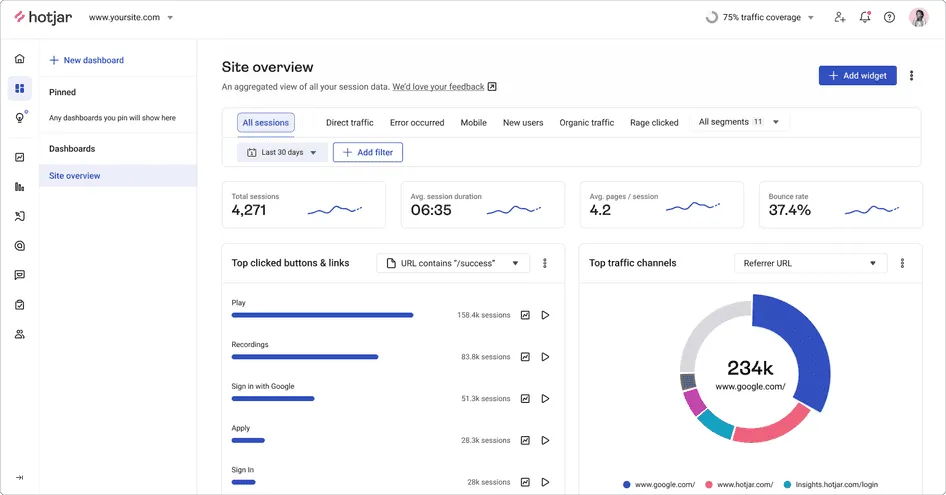
Hotjar is a behavior analytics tool that shows you how users interact with your landing pages. It uses heatmaps, session recordings, and user surveys to give you deep insights into visitor behavior. With Hotjar, you can see where people click, how far they scroll, and when they drop off. This helps you find problem areas and fix them to improve conversions. Hotjar’s feedback polls and surveys let you hear directly from your users, so you can learn what they like and dislike. It’s a perfect companion to your landing page builder, giving you the insights you need to make smart changes.
6. Visual Website Optimizer (VWO)
Pricing: Free plan available; premium options start at $176/month for 10,000 tracked users
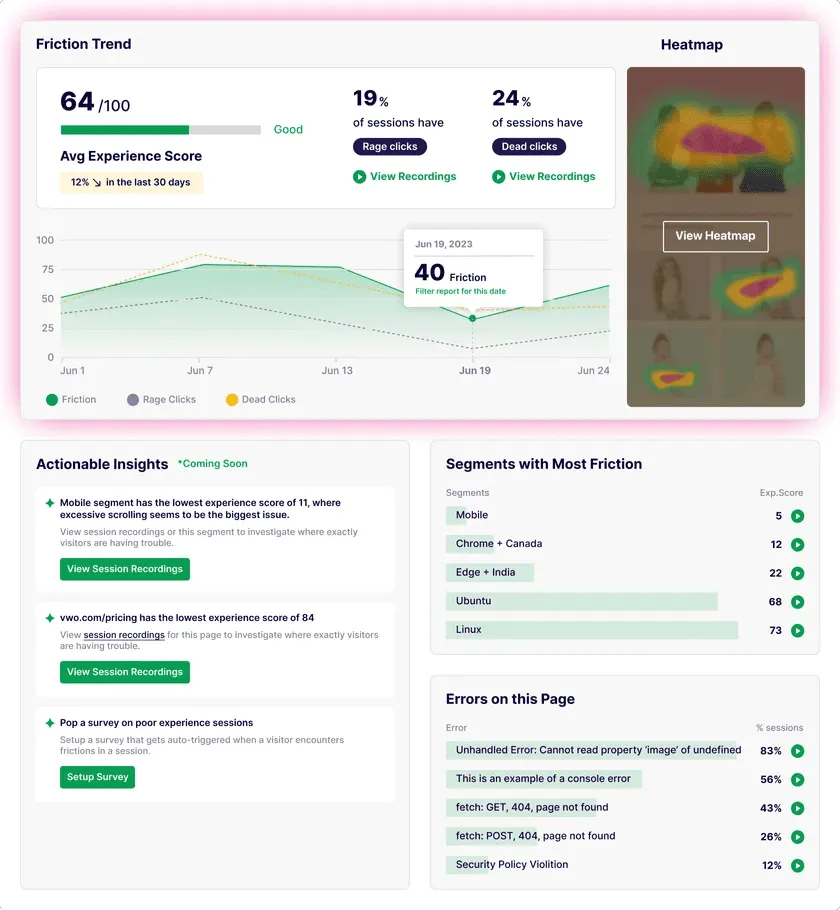
VWO is a complete testing and optimization platform that helps you run experiments and improve your website’s performance. It offers tools for A/B testing, split URL testing, multivariate testing, and personalization. VWO also has built-in heatmaps and session recordings to show user behavior. One of its strong points is its powerful reporting and analytics, which make it easy to understand test results. VWO supports mobile testing and integrates with Google Analytics, CRMs, and other marketing tools. If you want a flexible and detailed testing platform, VWO can help you fine-tune your landing pages for better results.
7. Qualaroo
Pricing: Free plan available; business plan starts at $19.99 per 100 responses/month
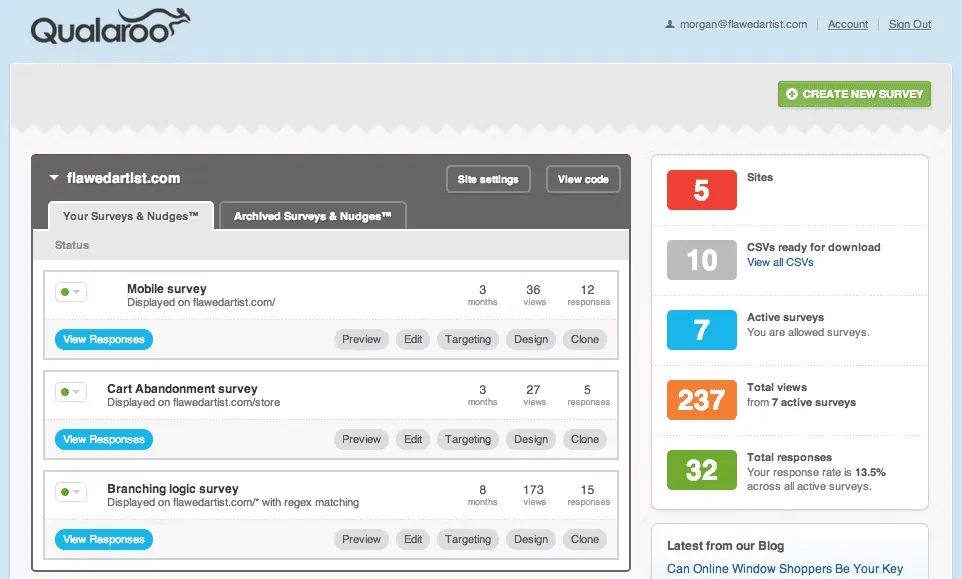
Qualaroo is a user feedback tool that helps you gather insights directly from your visitors. It offers smart surveys and pop-ups called Nudges™ that appear while users are browsing your landing page. These surveys can ask targeted questions based on user behavior, such as why they are leaving the page or what they are looking for. Qualaroo also uses AI to analyze responses and give you actionable recommendations. By collecting real user opinions, you can understand pain points and make changes that improve the user experience. This tool works well alongside analytics platforms to give you both numbers and user voice.
8. FullStory
Pricing: Available upon request
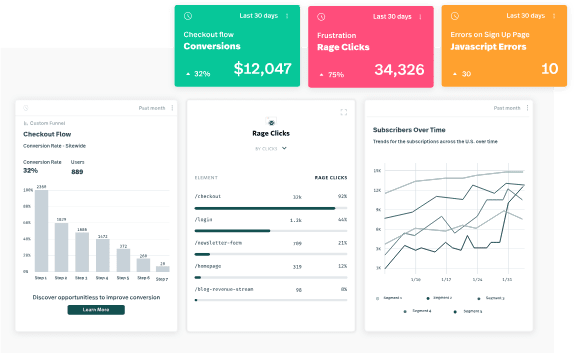
FullStory is a digital experience platform that records and analyzes every user session on your site. It offers powerful session replay features, so you can watch real visitors as they navigate your landing page. This helps you see where users struggle, what confuses them, and what drives them to convert. FullStory also provides heatmaps, funnels, and performance analytics. Its machine learning tools automatically spot patterns and flag issues, saving you time and effort. By combining qualitative and quantitative data, FullStory helps you create smoother, more effective landing page experiences.
9. Wynter
Pricing: Starts at $29,000/year
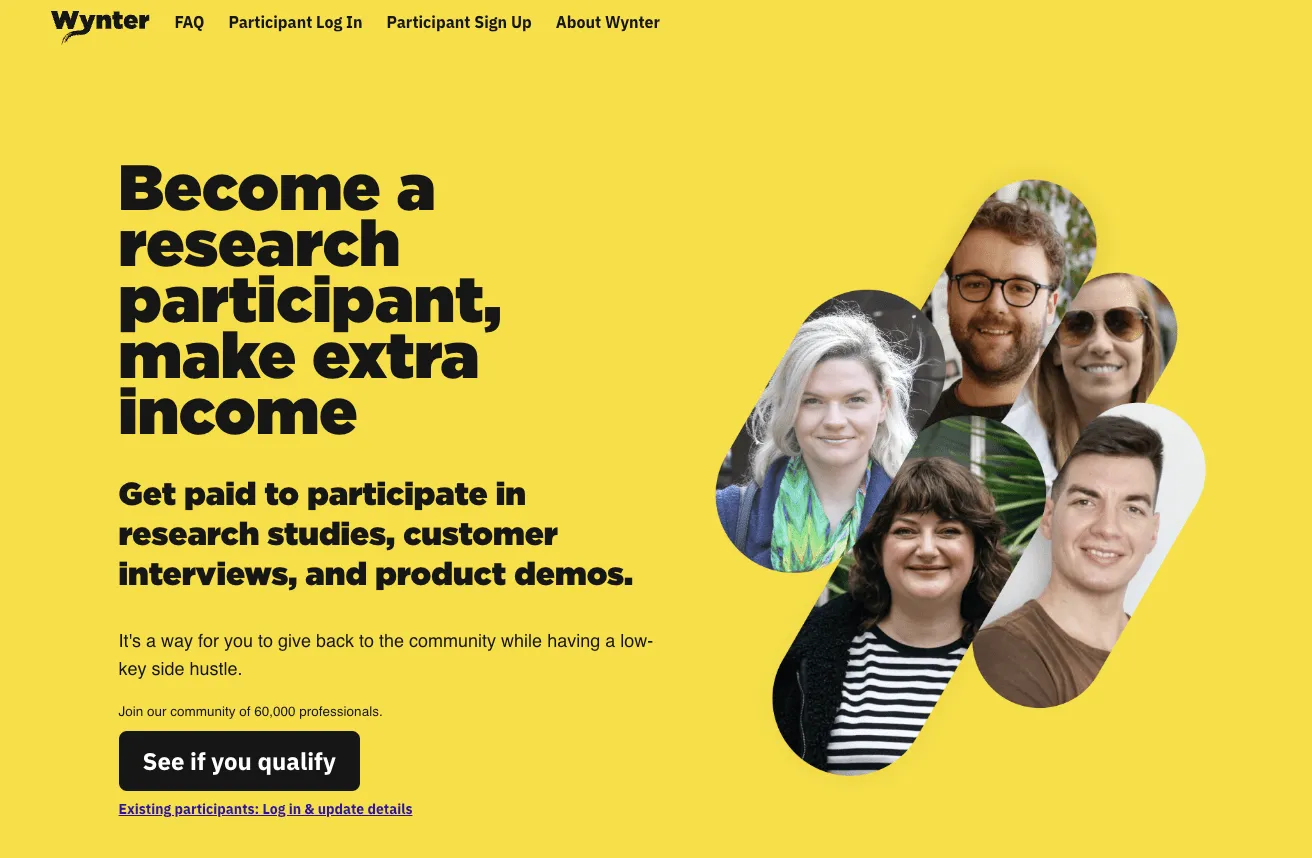
Wynter is a unique tool focused on message testing. It helps you optimize your landing page copy by getting feedback from real target audiences. You can submit your page, and Wynter will show it to panels of professionals who fit your audience profile. They provide detailed feedback on what they understand, what confuses them, and what makes them want to act. This direct response lets you fine-tune your messaging to better resonate with your visitors. Wynter is especially useful for B2B marketers and companies looking to improve conversion through better communication.
All these tools bring unique strengths to landing page optimization. Some focus on building and designing pages, while others help you test and analyze user behavior. Using a combination of these tools can give you a complete strategy—helping you create, test, analyze, and improve landing pages continuously. The right mix depends on your business size, goals, and budget. But with any of these nine tools, you’ll be on the path to higher conversions and better marketing results.
5 Proven Strategies for Optimizing Landing Page Performance
Landing page optimization is not a one-time job. It’s an ongoing process that requires careful analysis, testing, and fine-tuning. To help you get the best results, here are five proven strategies that can boost your landing page performance and maximize conversions.
1. Analyze User Insights and Behavior
The first step to improving your landing page is understanding how visitors interact with it. Without knowing what users do, where they click, and why they leave, it’s hard to make smart changes. This is where tools like Hotjar, FullStory, and Google Analytics come into play.
Use heatmaps to see where users focus their attention and which parts of your page get ignored. Session recordings let you watch real visitors as they move through your page, showing you where they get stuck or frustrated. Analytics tools help you track metrics like bounce rate, time on page, and conversion rate.
By gathering this data, you can identify common pain points. For example, you might find that users are abandoning your form because it asks for too much information. Or maybe your call-to-action (CTA) button is too low on the page, and many users never see it. Once you understand these issues, you can plan targeted improvements.
Regularly analyzing user insights keeps you connected to your audience’s needs and helps ensure that every change you make is based on real behavior, not guesswork.
2. Formulate Hypotheses for Potential Changes
Once you have data on user behavior, the next step is to create hypotheses about what might improve performance. A hypothesis is simply an educated guess based on your observations. It should be specific, measurable, and focused on solving a particular problem.
For example:
-
“Reducing the number of fields in the sign-up form from six to three will increase conversions by 20%.”
-
“Changing the CTA button color from blue to red will make it stand out more and improve the click-through rate.”
Good hypotheses are backed by user data and follow best practices in landing page design. They help you stay focused and avoid random changes that might not help. Write down your hypotheses and plan how you will test each one.
Remember, not every hypothesis will work. Some changes might have no effect, or even lower conversions. That’s why testing is essential. By treating optimization like a scientific process—observing, hypothesizing, testing, and learning—you’ll make steady progress over time.
3. Implement and Test Modifications (A/B Testing)
Testing is the heart of landing page optimization, and A/B testing is the most effective way to find out what works. In an A/B test, you compare two versions of your page: Version A (the original) and Version B (the new one with a specific change). By sending half your traffic to each version, you can measure which one performs better.
Popular tools like Optimizely, VWO, and Unbounce make A/B testing easy. You can test different headlines, images, button texts, form lengths, and layouts. Start with big changes that could have a strong impact, like redesigning the hero section or changing the offer. Once you find winners, move on to testing smaller details like colors, fonts, or button shapes.
It’s important to run tests for long enough to gather meaningful data. Ending a test too early can give you false results. Most experts recommend waiting until you have at least a few hundred conversions before deciding.
Also, remember to test one change at a time. If you test multiple changes at once, it will be hard to know which one made the difference. Multivariate testing can help with this but requires more traffic.
By running regular A/B tests, you can steadily refine your landing page and turn small wins into big gains over time.
4. Track Results and Analyze Performance
After running your tests, it’s time to analyze the results carefully. Look at key performance indicators (KPIs) like conversion rate, bounce rate, click-through rate, and time on page. Compare the performance of your original page and the test version to see which one came out on top.
Use statistical significance calculators to ensure that your results are not due to chance. Many A/B testing tools have this built in, so you can quickly see whether a winner has been found.
But don’t just focus on the numbers. Go deeper. For example:
-
If conversions improved, try to understand why the change worked. Was the message clearer? Was the page easier to navigate?
-
If the test failed, look at heatmaps and session recordings to see how users responded. Maybe the new design confused them or slowed them down.
Tracking and analyzing results helps you learn from each test and apply those lessons to future optimizations. Keep detailed records of your tests, results, and insights, so you can build a library of what works best for your audience.
It’s also wise to monitor performance over time. Sometimes, a change that looks like a winner early on might not perform as well in the long run. Regular checks help you catch these shifts and keep your page optimized for consistent success.
5. Iterate and Optimize Continuously
Landing page optimization is never truly finished. User behavior changes, markets evolve, and new technologies emerge. That’s why continuous improvement is the final—and most important—strategy.
Once you’ve run a test and implemented a winning change, go back to your data and look for the next opportunity. Maybe you improved your CTA button last time; now it’s time to focus on the headline. Or perhaps your mobile performance is lagging behind desktop—so your next round should optimize for mobile users.
Continuous optimization keeps your landing page fresh and aligned with user expectations. It also helps you stay ahead of competitors who may still be using a static, one-time approach.
Set up a regular schedule for testing and reviewing your landing page performance—monthly or quarterly works well for most businesses. Use a mix of big strategic tests and smaller tweaks to keep making progress.
Involve your team in the process, from designers to copywriters to marketers. Collect ideas for tests from different perspectives and prioritize those that are likely to deliver the highest impact.
By adopting an iterative mindset, you create a cycle of learning and improvement that drives better results over time. This ongoing effort is what separates average landing pages from high-converting, revenue-generating machines.
Boost Conversions With User-Focused, High-Impact Landing Pages by Pro Real Tech
Your landing pages are the key to turning visitors into leads and driving real business growth. Imagine a potential customer clicks your ad, eager to explore your product. But if they land on a cluttered, confusing page with weak calls to action, they’ll likely leave before taking the next step.
Now, imagine an optimized landing page built with care. It speaks directly to the visitor’s needs, uses crisp visuals, clear messaging, and features a call to action that invites them to engage—whether that’s signing up for a trial or making a purchase. Smooth and seamless, this kind of experience naturally boosts your conversion rates.
Getting there requires the right mix of tools and expertise. Pro Real Tech, a leading digital marketing agency, specializes in conversion rate optimization (CRO). Our experts dive deep into user behavior, run smart tests, and fine-tune strategies to deliver real, measurable results.
We also craft persuasive, brand-focused copy that connects with your audience and highlights your value clearly. With Pro Real Tech by your side, optimization becomes an ongoing journey—powered by testing, refining, and growing your impact.
Ready to unlock the full potential of your landing pages? Connect with our CRO and growth experts today.


